Guides, cruise reports, and trivia from the sailing world.
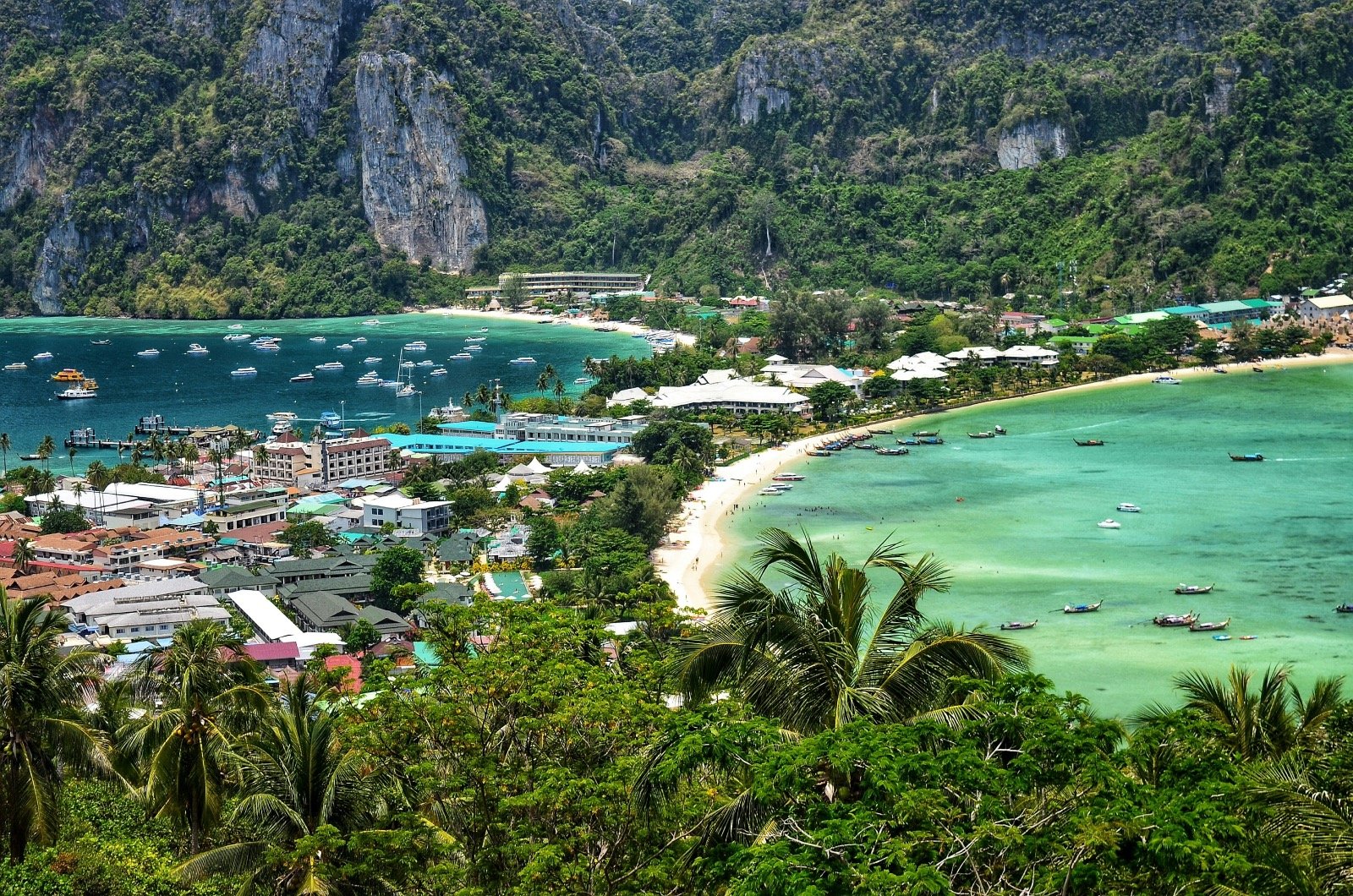
Turquoise water, limestone rocks rising straight from the sea, hidden lagoons and tropical islands where time flows more slowly. Imagine a morning at anchor, coffee in the cockpit and just one question: where will we go today? Thailand is more than an exotic holiday. It's a cruise between unusual islands, evenings in tropical bays and an adventure that is best experienced from the deck of your own yacht. Phuket, Phi Phi, bay Phang Nga, Koh Samui, or perhaps quieter corners of Koh Chang? Find out where to go, when to plan your cruise, and what to keep in mind before you drop your moors.
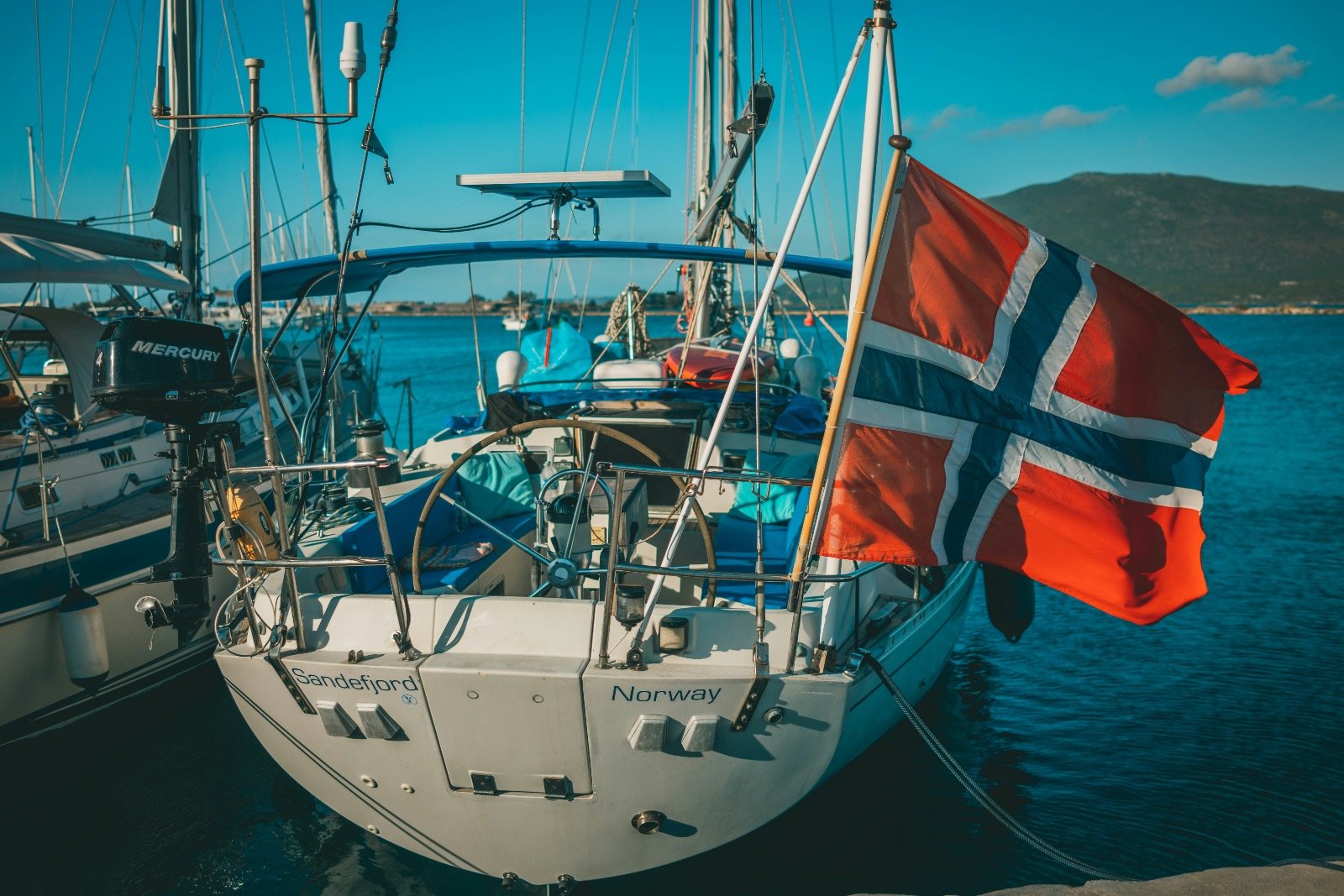
Morning. The yacht stands calmly at anchor, around steep, green slopes, a waterfall falling straight into the fjord and silence, which is difficult to find in the popular waters of southern Europe. Coffee, a quick look at the forecast and the question: "So where are we going today?" Norway offers a completely different sailing experience than Greece, Croatia or Sardinia. There are fjords, thousands of islands and skirters, small fishing villages, wild bays and huge space. And in the north – the sun, which for many weeks practically does not set.
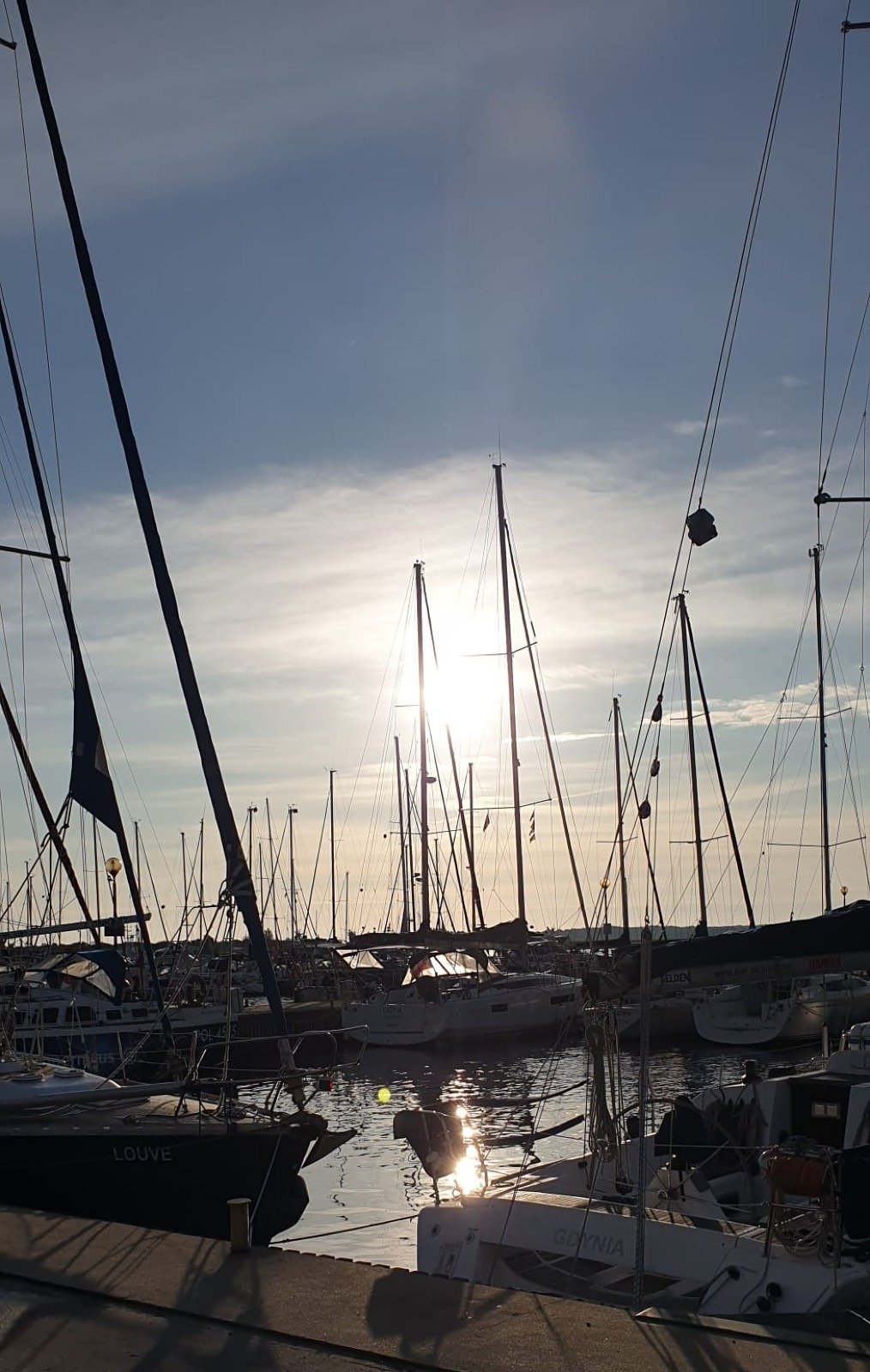
Sea time, extra training, docking manoeuvres, and finally, the exam. Does every sailing trip teach you something? Is additional docking practice worth the investment? And what is the Yachtmaster Offshore exam really like? In the final part of “It All Started with a Dream”, I share the last steps of my journey towards getting my certificate and explain why, in many ways, the real adventure only begins once you have it.
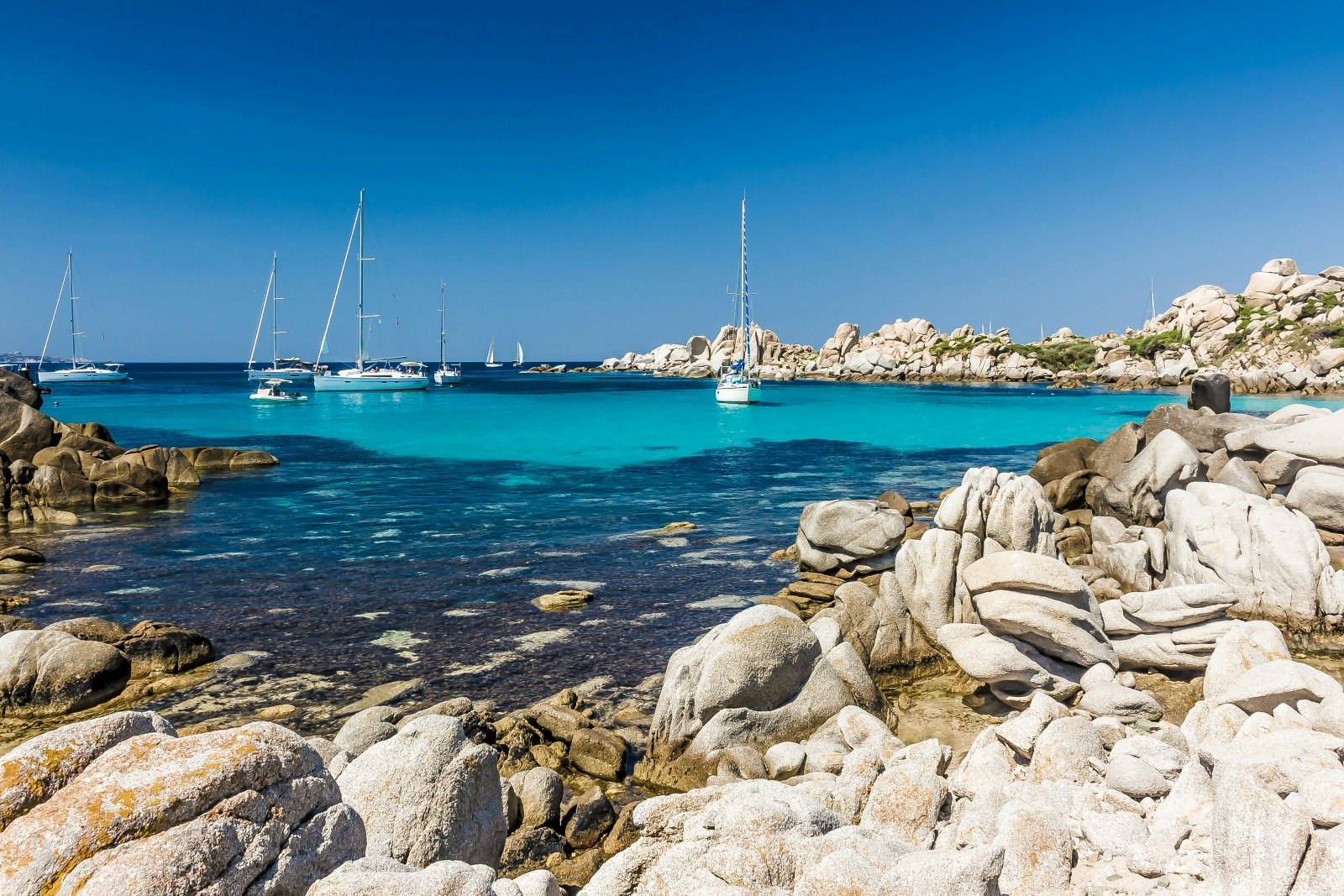
Corsica and Sardinia are one of the most diverse Mediterranean basins – perfect for sailors looking for turquoise bays, picturesque harbours and challenging wind conditions. During one cruise you can discover two countries, cross the Strait of Bonifacio, visit La Maddalena, Porto Cervo, Bonifacio or Scandola and combine holiday relaxation with a real sailing adventure. If you plan to charter a yacht and you want to find the best routes, safe anchorages and practical tips on the weather and protection of Posidonia – this article will help you prepare the perfect cruise around Corsica and Sardinia.
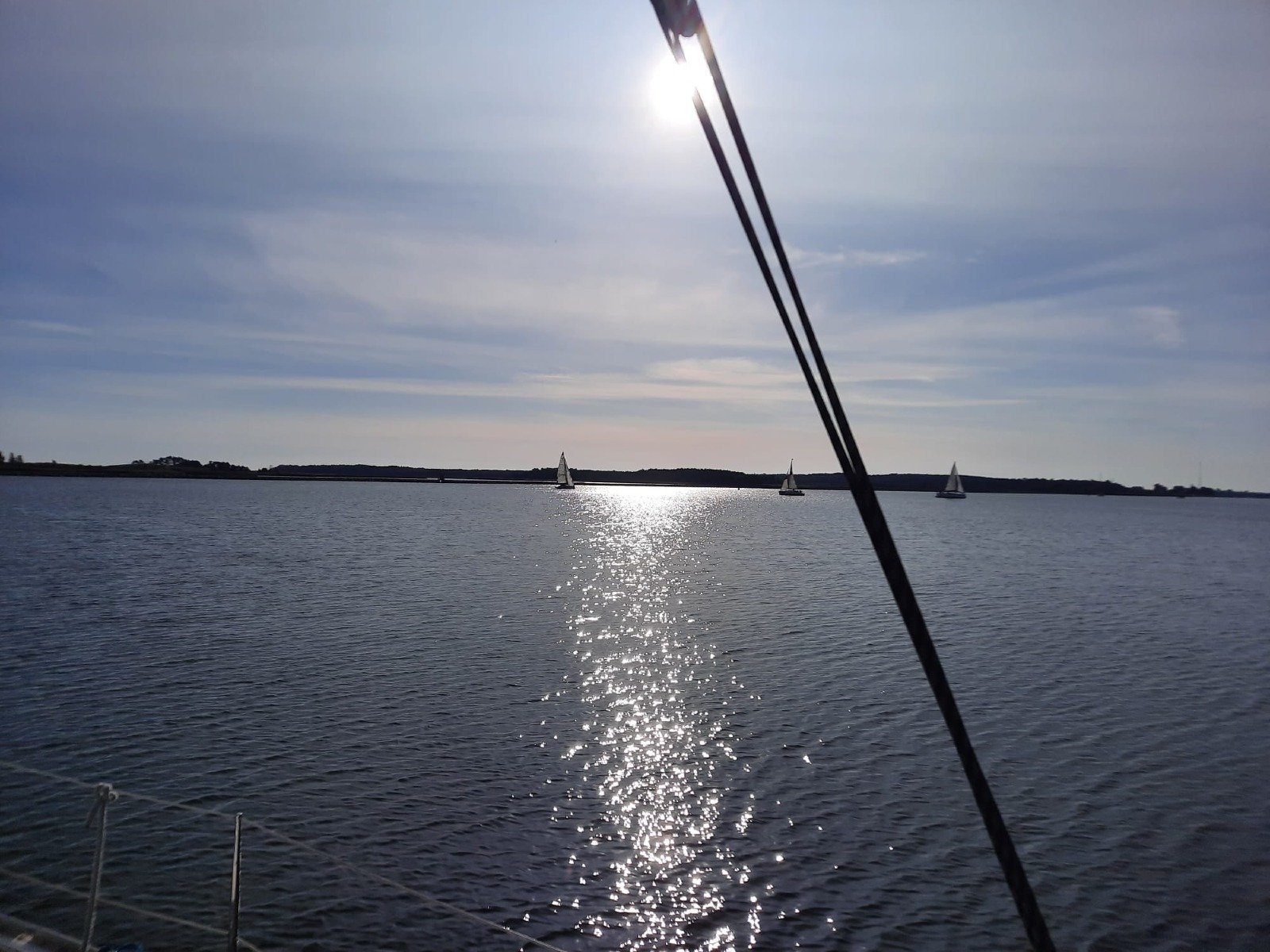
Port manoeuvres are a moment when every member of the crew should know what to do and where to be. In this part of our short pre-voyage conversation, we cover manoeuvring positions, mooring lines, moorings, fenders, basic knots and commands, as well as who is responsible for what once you leave the marina. A few simple arrangements before casting off can make even a challenging manoeuvre calmer and safer.
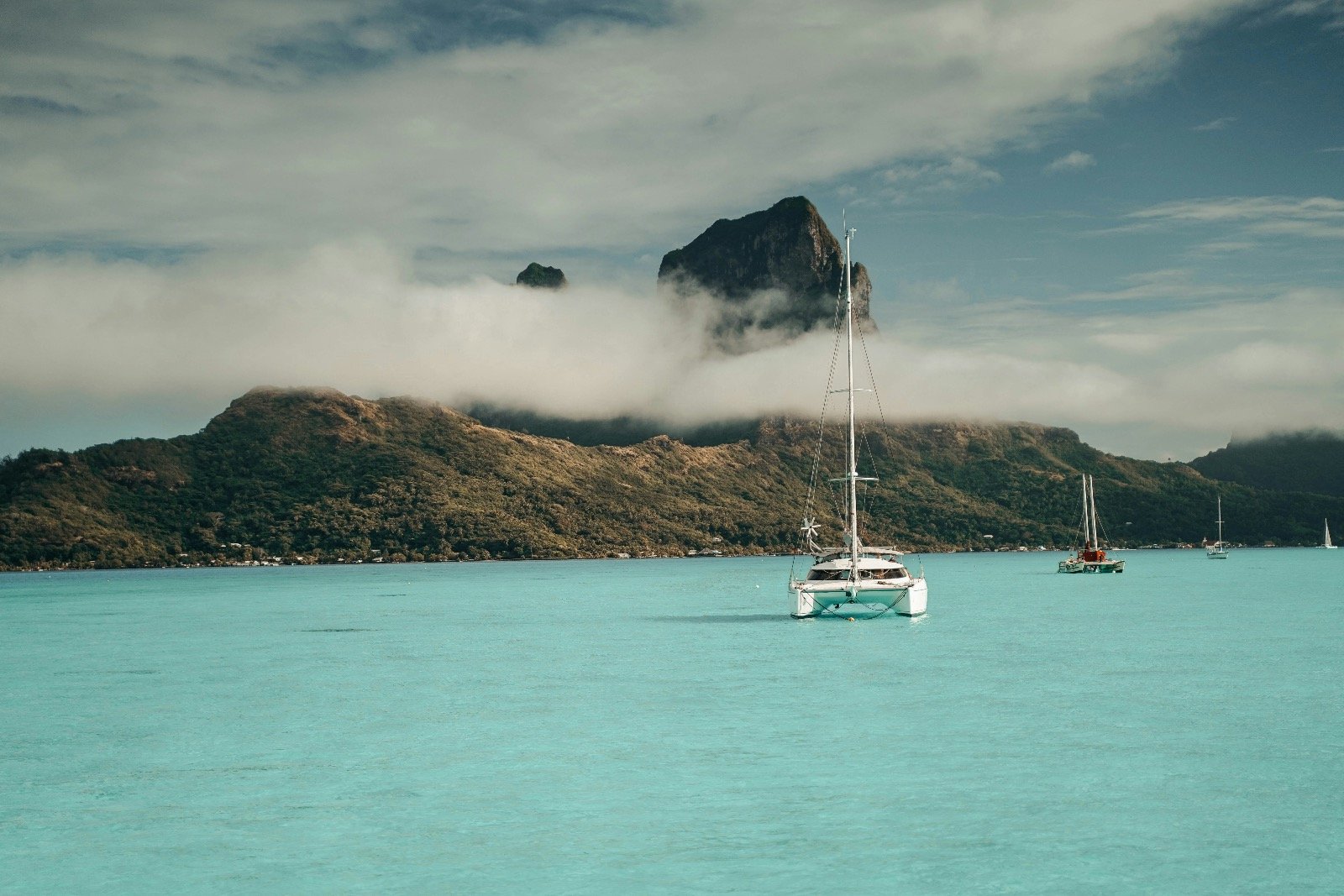
French Polynesia occupies a huge area of the South Pacific. However, from the perspective of a sailor, two areas are the most important. The first are the Society Islands – Raiatea, Tahaa, Bora Bora, Huahine, Maupiti, Tahiti and Moorea. The second is Tuamotu, or extensive coral atolls, such as Fakarava or Rangiroa. And here comes the first very important difference. The Society Islands are a charter area. Tuamotu is already ocean sailing and expeditionary. So it's not worth looking at the map and thinking, “Fakarava is only a little further away, so maybe we'll go there for a few days.” It's a completely different scale.
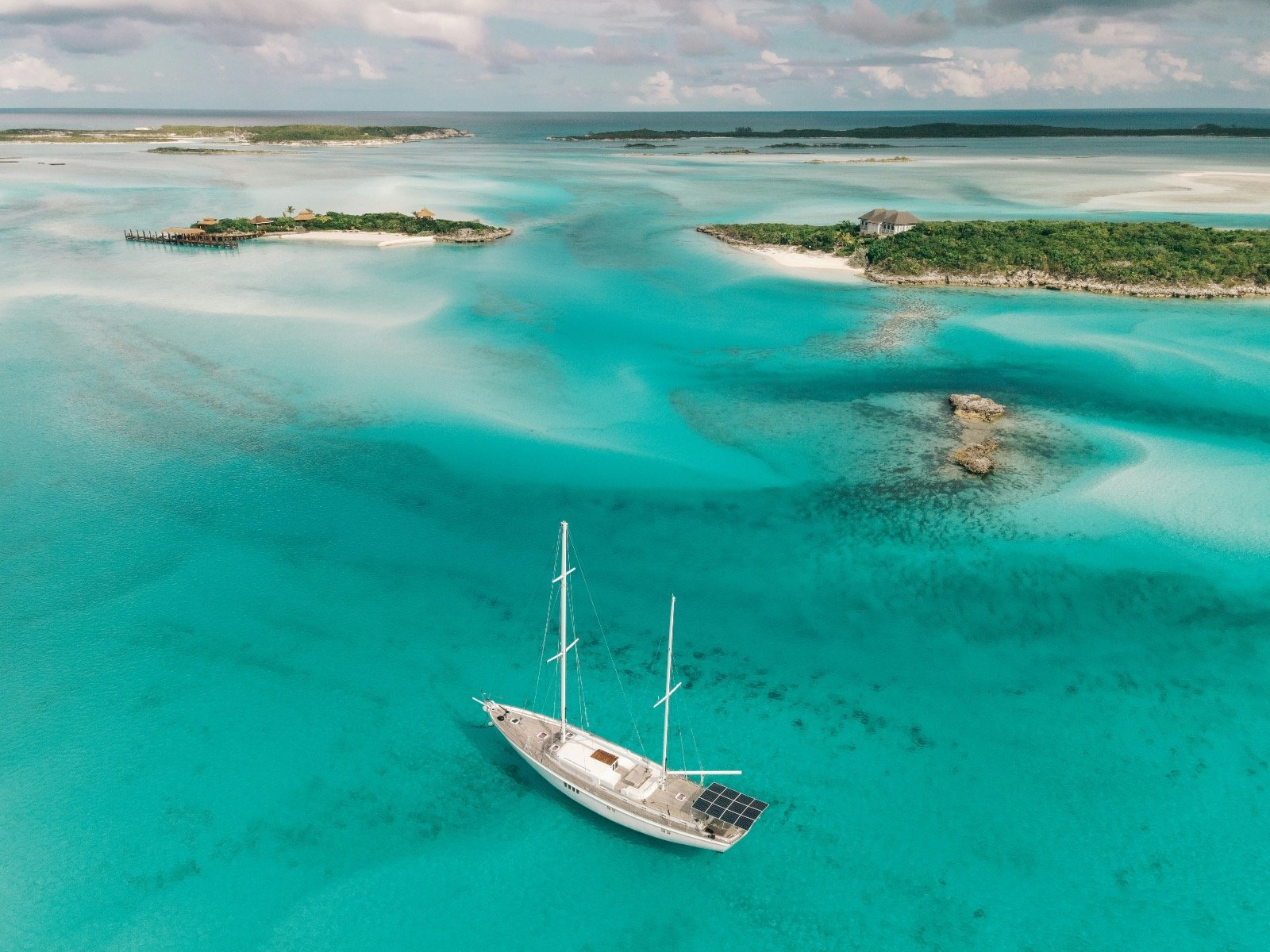
In the morning, bathe in turquoise water. Breakfast in the cockpit. Sails up. A few hours at sea. And in the evening, dinner in a small cove, where instead of a hotel pool, you have the entire Adriatic in front of you... only on the other side of the Atlantic. The Caribbean is not one body of water. It is a huge mosaic of islands, states and territories stretching over a thousand nautical miles – from the British Virgin Islands to Grenada. And that's why everyone he can find his way to sail here.
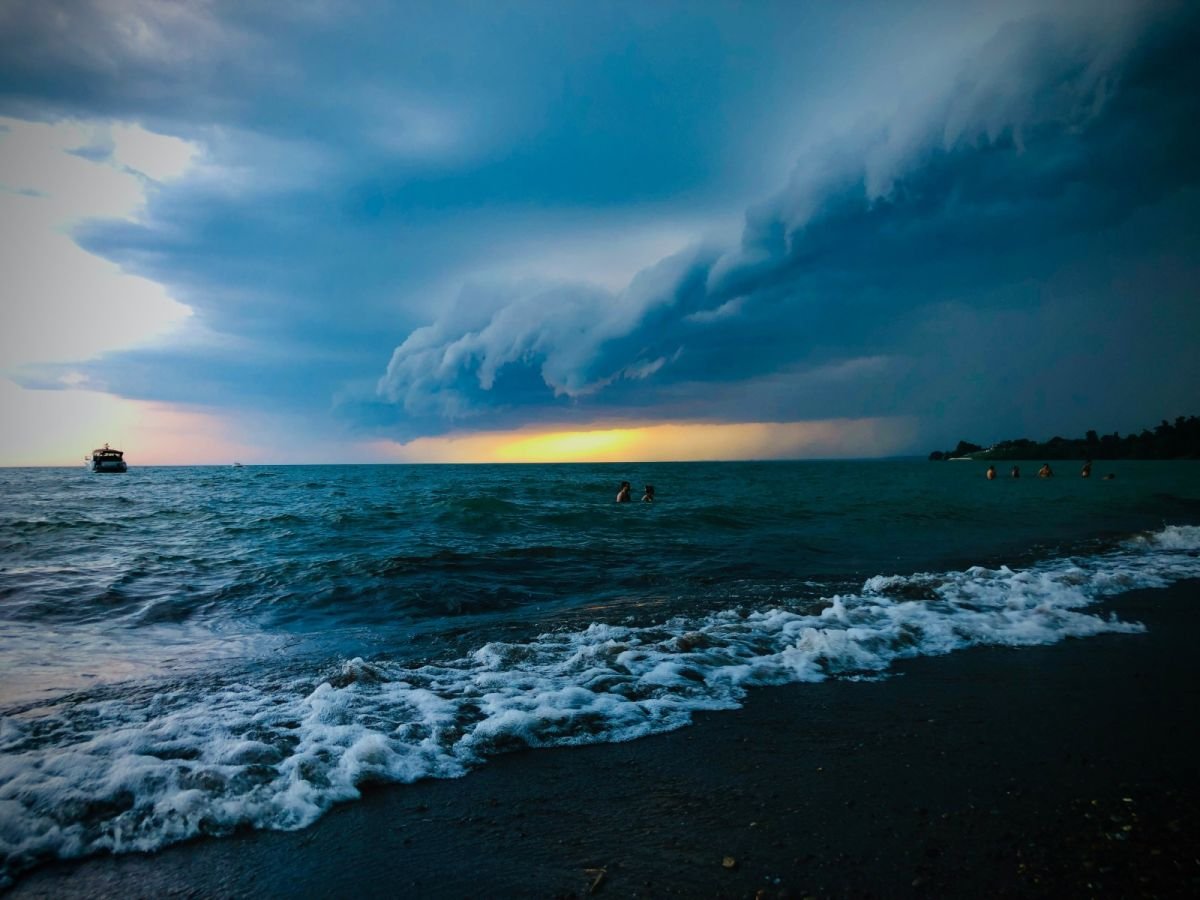
One indication of the barometer can dull the alertness of even an experienced helmsman. 1013 hPa sounds safe, but does it really mean calm on the water? Nothing could be more wrong. This is not the current reading, and the barometric tendency — that is, the direction and dynamics of pressure changes in the key 3-hour window — is a real early warning system for the skipper against storms, sudden squalls and aura breakdown.
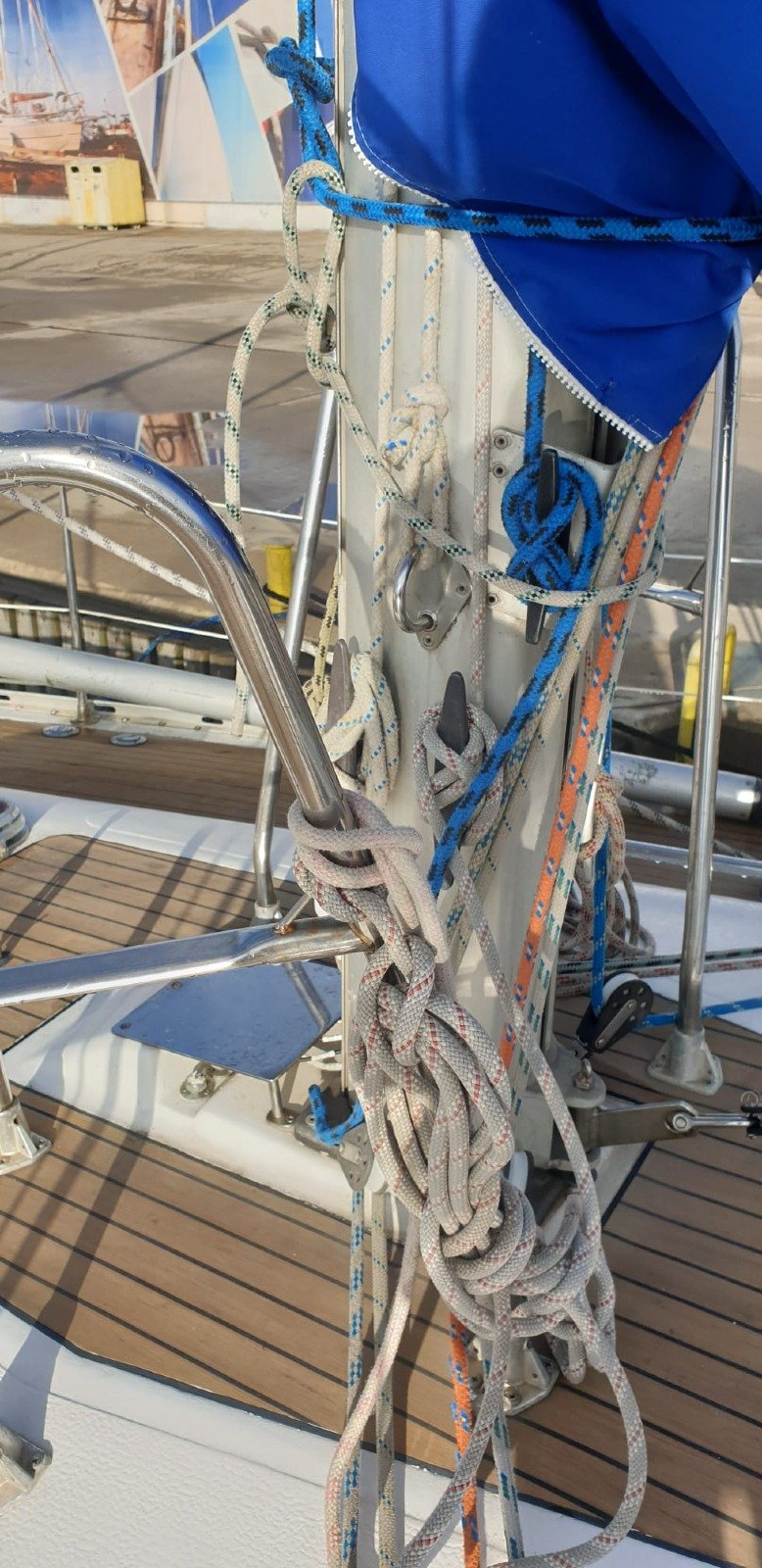
Do you really need to train before taking a sailing course? I decided not to wait for the first day of class and spent a year building my knowledge step by step – from traditional navigation and chart work to SRC and radio communication. Because you can earn a certificate, but confident and safe sailing starts long before that.
Check ratings and reviews from other sailors before choosing a charter.
